




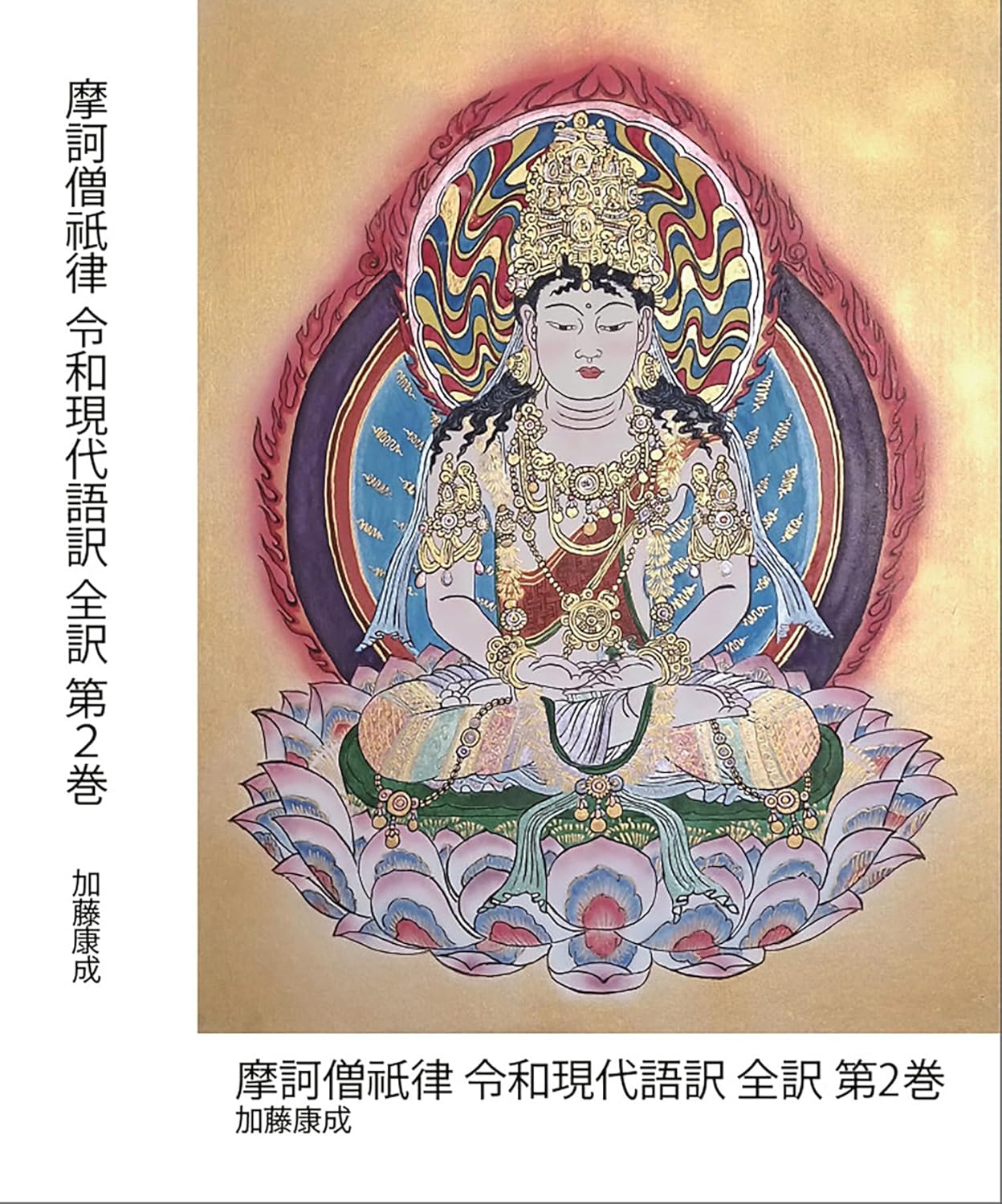
The Dasabhanavara Vinaya A Complete Modern Translation Volume3 of 3: The Full Monastic Discipline Code: Including the Pratimoksa for Monks and Nuns, and Karma Procedures (T1435–T1439) Kindle Edition

 4.9 (115 items)
 Limited Time Sale
Product details
| Management number | 219242131 | Release Date | 2026/05/03 | List Price | €90.00 | Model Number | 219242131 | ||
|---|---|---|---|---|---|---|---|---|---|
| Category | |||||||||
It is with great honor that we present this complete modern Japanese translation of the **Daśabhāṇavāra Vinaya** (The Ten-Recitation Vinaya), a pivotal text within the Chinese Buddhist Canon (Taishō numbers T1435–T1439).1. Historical Significance and CompilationThe *Daśabhāṇavāra Vinaya* represents the monastic rule (Vinaya) traditionally held by the **Sarvāstivāda school** (the ‘School of All Exists’), one of the most influential early Buddhist schools. Composed likely around the turn of the Common Era in India, it serves as an indispensable historical document detailing how the early Buddhist community (Sangha) established its codes of conduct and organization following the parinirvāṇa (passing) of the historical Buddha, Śākyamuni.This extensive text offers profound insight into the social structure, daily life, disciplinary procedures, and methods for resolving conflicts within the monastic orders of ancient India.2. The Transmission to ChineseThe preservation and transmission of this Vinaya text to the present day owe a tremendous debt to dedicated translators. The primary text, the *Shisō Ritsu* (Jp.) / *Shi Song Lü* (Ch.), was translated into Classical Chinese around **404–409 CE** in Chang’an (the capital of the Later Qin Dynasty).The translation effort was spearheaded by the great Kucha translator, **Kumārajīva (鳩摩羅什)**, and his Kashmirian colleague, **Vimalākṣa (卑摩羅叉)**. Working from Sanskrit or a closely related Indic dialect, they rendered this complex legal and ritual text into highly precise Chinese, profoundly shaping the trajectory of East Asian Buddhism.3. Scope and Purpose of this TranslationThis volume comprehensively covers the core of the *Daśabhāṇavāra Vinaya*, including the specific codes for male and female practitioners—the **Prātimokṣa (戒本)** for Bhikṣus (monks) and Bhikṣuṇīs (nuns) (T1436 & T1437). Furthermore, it includes essential supplements detailing the formal procedures and rituals—known as **Karma (羯磨)**—for the Sangha’s official acts, specifically **The One Hundred and One Karma Procedures for Great Monastics** (T1438) and **Essential Karma Procedures for Bhikṣus** (T1439).The aim of this modern translation is to dismantle the formidable barrier of Classical Chinese and to make the ethical framework and organizational wisdom of the early Buddhist Sangha accessible to contemporary readers, scholars, and practitioners. We sincerely hope that this ancient standard of conduct will inspire renewed appreciation for ethical living, community organization, and the deep wisdom inherent in the path of spiritual cultivation. Read more
| XRay | Not Enabled |
|---|---|
| Language | English |
| File size | 3.0 MB |
| Page Flip | Enabled |
| Word Wise | Not Enabled |
| Print length | 1581 pages |
| Accessibility | Learn more |
| Publication date | January 12, 2026 |
| Enhanced typesetting | Enabled |
Bras



History




Correction of product information
If you notice any omissions or errors in the product information on this page, please use the correction request form below.
Correction Request Form